Circular Economy Applied in Practice

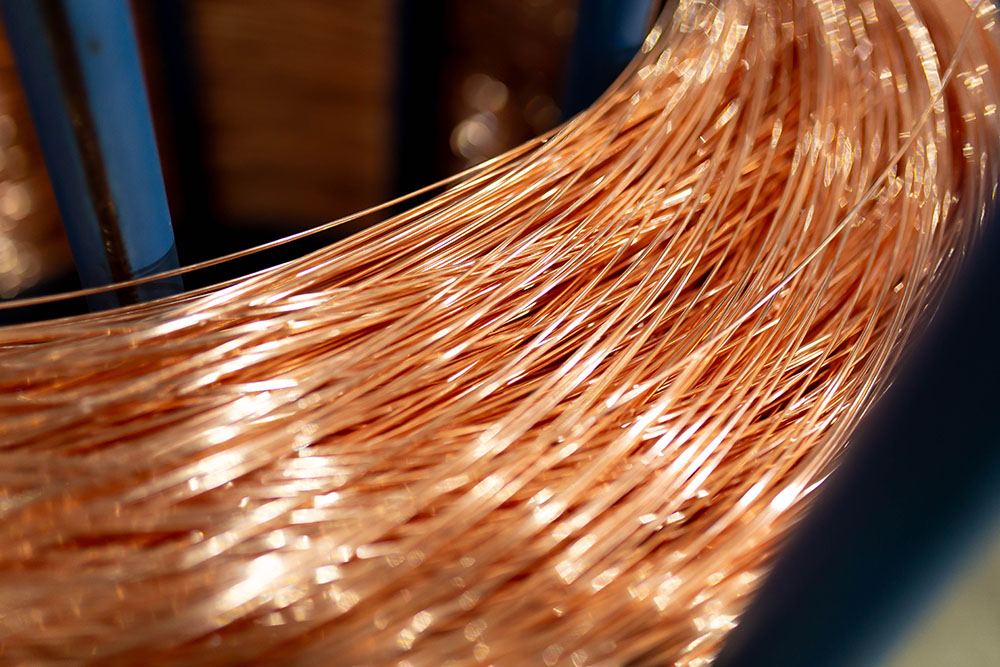
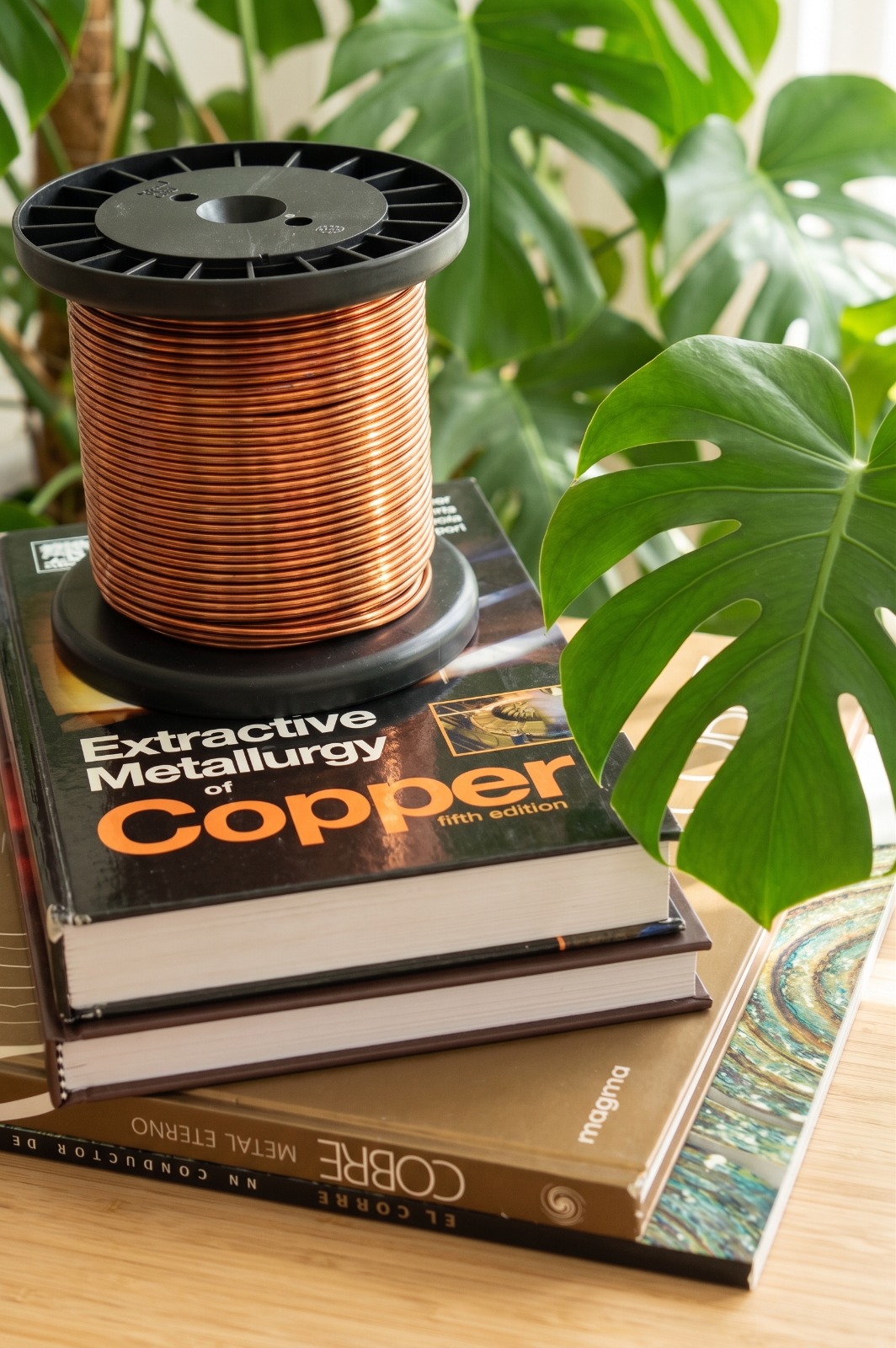
Copper is a material with high reuse potential, and its recycling is one of the pillars of the circular economy.

At JF Pasqua, this concept is part of our business model: in 2025, thousands of tons of copper scrap were reinserted into the production cycle, contributing to the manufacturing of thousands of tons of new products.

For every ton of scrap that JF recycles, we reduce the need to extract 100 to 200 tons of ore, helping to minimize the impacts associated with the extraction and processing of natural resources.

In this way, copper remains in circulation, extending the use of a high-value resource and strengthening a production model based on recycling, reuse, and more efficient use of resources. More than just recycling, we bring copper back into the production cycle, turning waste into new resources and contributing to a more circular and sustainable industry.

THE COPPER CYCLE

A Metal That Isn't Used Up, It's Put Back to Use

Unlike most materials, copper doesn't lose its electrical properties when re-melted. It simply changes shape and returns to the start of the line.

Production

100 a 200t OF ORE EXTRACTION AVOIDED PER TONNE

Producing one tonne of recycled copper avoids the extraction of approximately 100 to 200 tonnes of ore. It's the difference between moving rock and re-melting a metal that already exists.

Use

80% a 85% LESS ENERGY THAN COPPER FROM ORE

Re-melting copper consumes 80% to 85% less energy than producing it from ore, with a proportional reduction in CO₂ emissions. The conductor produced retains the conductivity required of primary metal.

Return

30% a 35% OF GLOBAL DEMAND COMES FROM RECYCLED MATERIAL

Copper can be recycled countless times without losing its properties. Today, between 30% and 35% of global demand is met by recycled material, and it's from this flow that our plant is supplied.

And the Cycle Begins Again The conductor that leaves here one day comes back as scrap, for another manufacturer or back into our own plant.

From Scrap to Rod

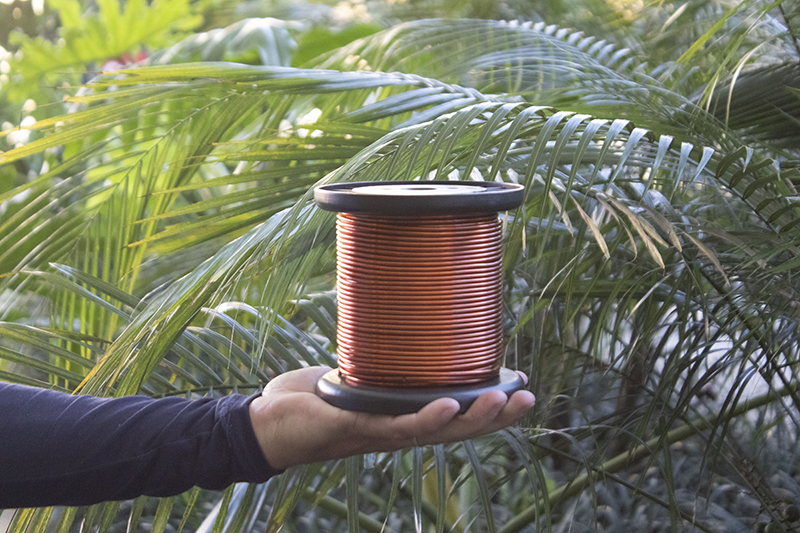
The material to be recycled undergoes melting and refining by oxidation-reduction in furnaces, followed by continuous rolling.

The rod that comes out meets NBR 14733 standard, with a minimum conductivity of 100% IACS, the same specification as primary-source copper.

COPPER RECYCLING FLOW

01
Input COPPER SCRAP Waste from motors, parts, pipes, etc.
02
MELTING AND REFINING
03
CONTINUOUS ROLLING
04
PRODUCT ROD, WIRE AND CABLE
05
CUSTOMER

Copper recycling flow at JF Pasqua: from the scrap that comes in to the rod, wire, and cable that go out.

Impacts of JF Pasqua's Recycling in 2025

From an environmental standpoint, the benefits of copper recycling are significant.

Energy Saved
173 - 271
Million kWh
80 – 125 thousand
Households per year
Emissions Avoided
70,2 - 156
Thousand tons of CO₂
15 – 34 thousand
Vehicles off the road per year
Ore Not Extracted
235 – 520 thousand
Ore trucks

*Estimated data

What We Do With What's Left Over

Melting scrap generates waste. None of it simply disappears, and JF Pasqua works to promote the recovery and environmentally appropriate disposal of the waste generated in its production processes.

  • Slag and Copper-Content Materials Copper slag from smelting and particulate matter collected by the atmospheric emissions treatment systems are sent to the fertilizer industry, where, due to their composition, they are used as raw material.
  • Refractory Materials Refractory materials from the furnaces are sent to companies specialized in recycling, where they are reused in the manufacturing of new refractory products.
  • Emulsions and Oils Lubricating oils are sent to a specialized company, where they undergo a recovery and transformation process, returning to the production chain as raw material for new products.
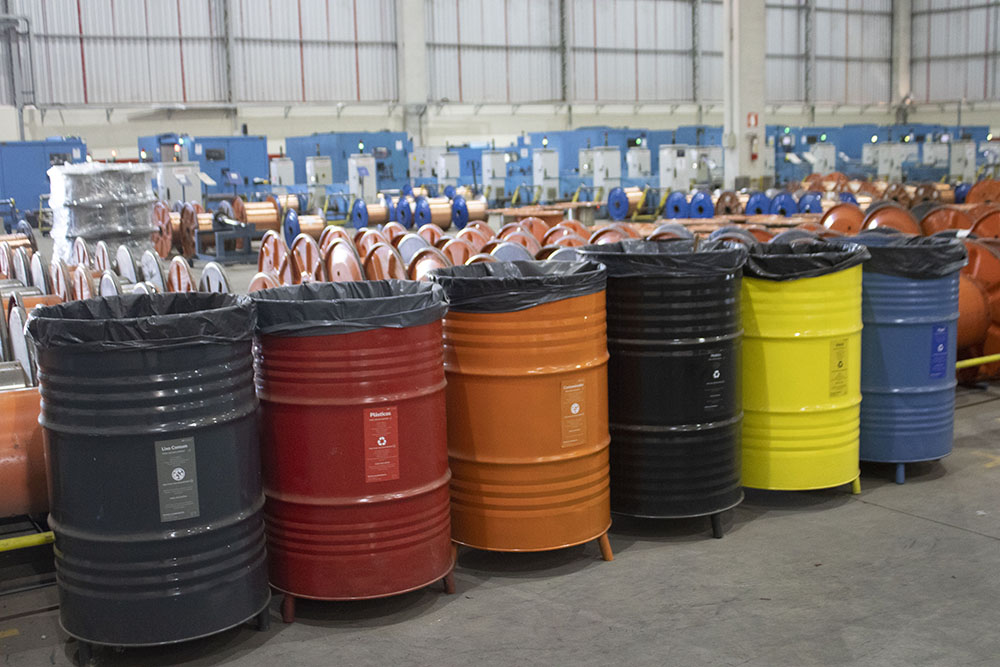
  • Packaging Recyclable waste, such as cardboard, plastics, and raffia, is sent to the municipality's recycling cooperative, contributing to material recycling and local income generation.

Energy, Emissions and Water

Energy Efficiency

Our process is energy-intensive in terms of heat, and we can't pretend otherwise. The furnaces run on LPG and account for most of our direct emissions.

There is no commercial route that eliminates this step. What does exist is a margin for efficiency, and that's where we focus our efforts: controlling the air-fuel ratio, recovering heat, reducing processing cycle times, and improving thermal insulation. In 2025, JF Pasqua reduced its LPG consumption by 14.58% compared to the previous year, avoiding the burning of approximately 587 tonnes of fuel.

This result reflects the company's ongoing efforts to achieve greater energy efficiency and optimize its production processes.

2024
Baseline for comparison
2025
85,42%
14,58% less GLP in 2025, equivalent to approximately 587 tonnes of fuel that we avoided burning.

Comparison in absolute consumption.
Water Resources

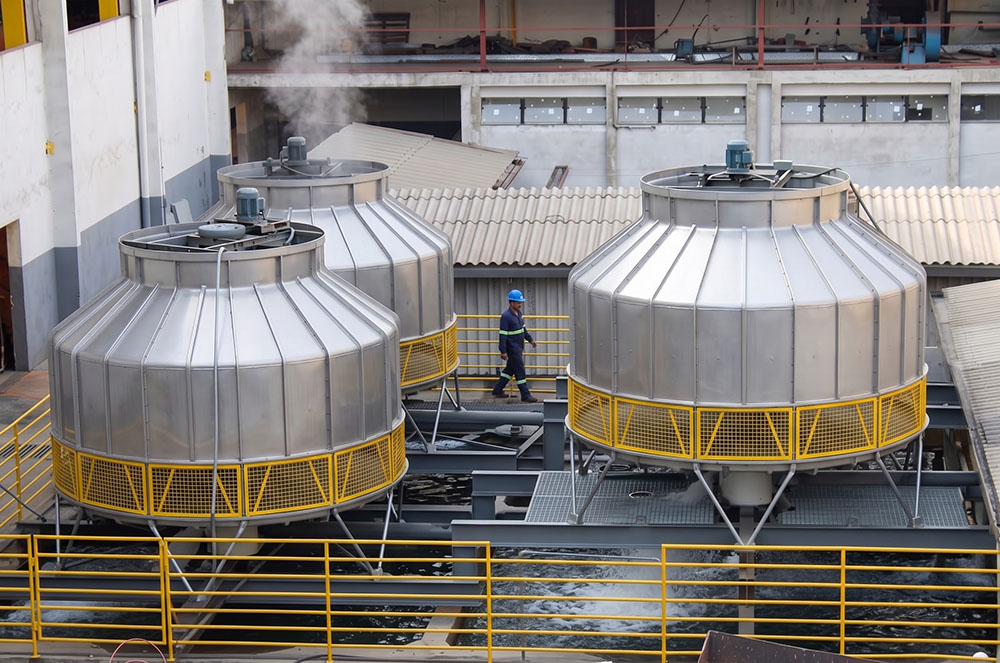
JF Pasqua strives to use water resources responsibly, adopting practices that promote efficiency and conscious water use in its processes. In the main activities requiring water, such as cooling towers and oil emulsion tanks, recirculation systems are used, allowing water to be continuously reused and replenished only to compensate for natural losses such as evaporation and drag-out.

In addition to production processes, water is also used in the company's cleaning and maintenance activities. In 2025, the total recorded consumption was 47,310 m³, and tracking this indicator is an important tool for management and the ongoing pursuit of opportunities to improve water efficiency.

47.310 TOTAL CONSUMPTION
RECORDED IN 2025
ENVIRONMENTAL ACTIONS

Latest Social and Environmental Actions

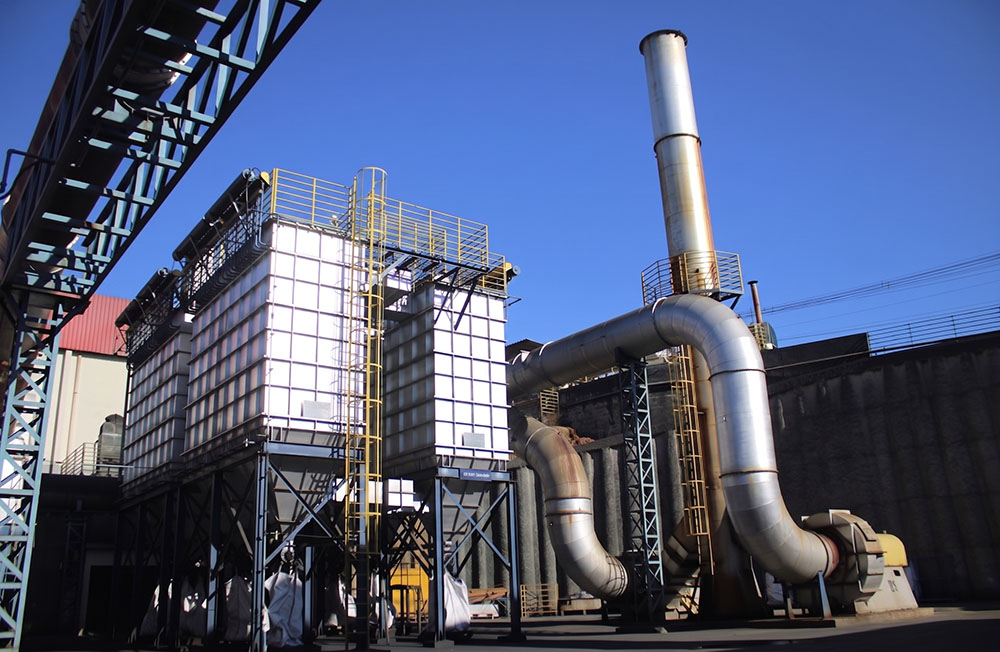
ATMOSPHERIC EMISSIONS

Machinery Modernization and Effluent Treatment

Investment in modernizing machinery and atmospheric emission treatment systems, prioritizing more efficient technologies with lower environmental impact.

01/12
PROCESS EFFICIENCY

Reduction of Scrap Generated in the Process

Development of projects aimed at reducing scrap generation in the production process, avoiding rework and reducing resource consumption.

02/12
WASTE MANAGEMENT

More Efficient Selective Collection

Implementation of a more efficient selective collection system, promoting proper waste sorting and disposal.

03/12
RECYCLING

Waste Reuse

Strengthening recycling and waste reuse actions generated in operations.

04/12
WATER RESOURCES

Water Recirculation

Use of the water recirculation system, contributing to reduced consumption of water resources.

05/12
SANITATION

Sanitary Effluent Treatment

Continuous improvement of sanitary effluent and industrial wastewater treatment systems.

06/12
ENVIRONMENTAL EDUCATION

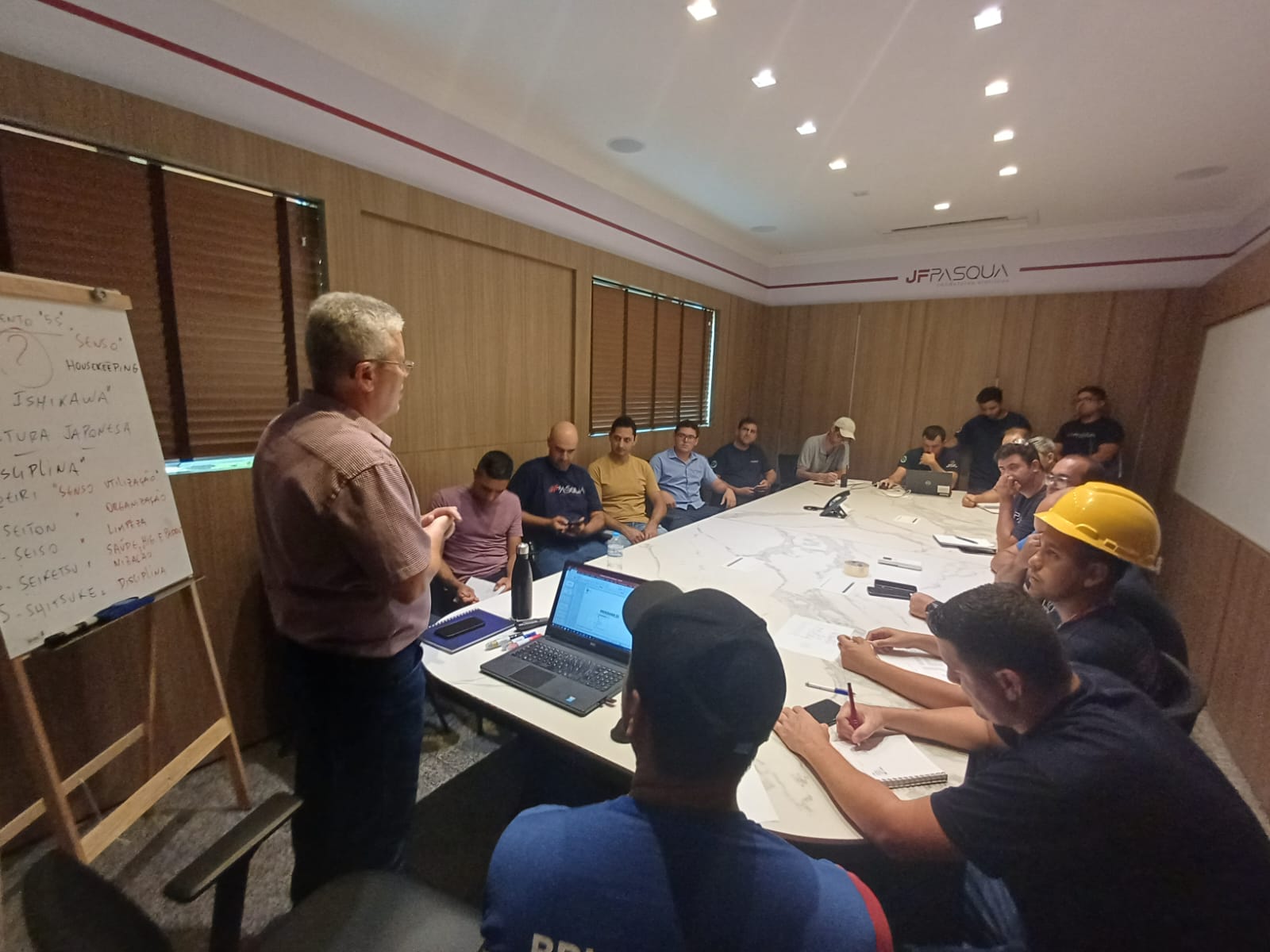
Training and Awareness

Delivery of environmental training, promoting employee engagement and awareness.

07/12
MOBILITY

Shared Transportation and Electric Mobility

Provision of shared transportation for employees and encouragement of electric internal transport, reducing emissions.

08/12
SOCIAL PARTNERSHIPS

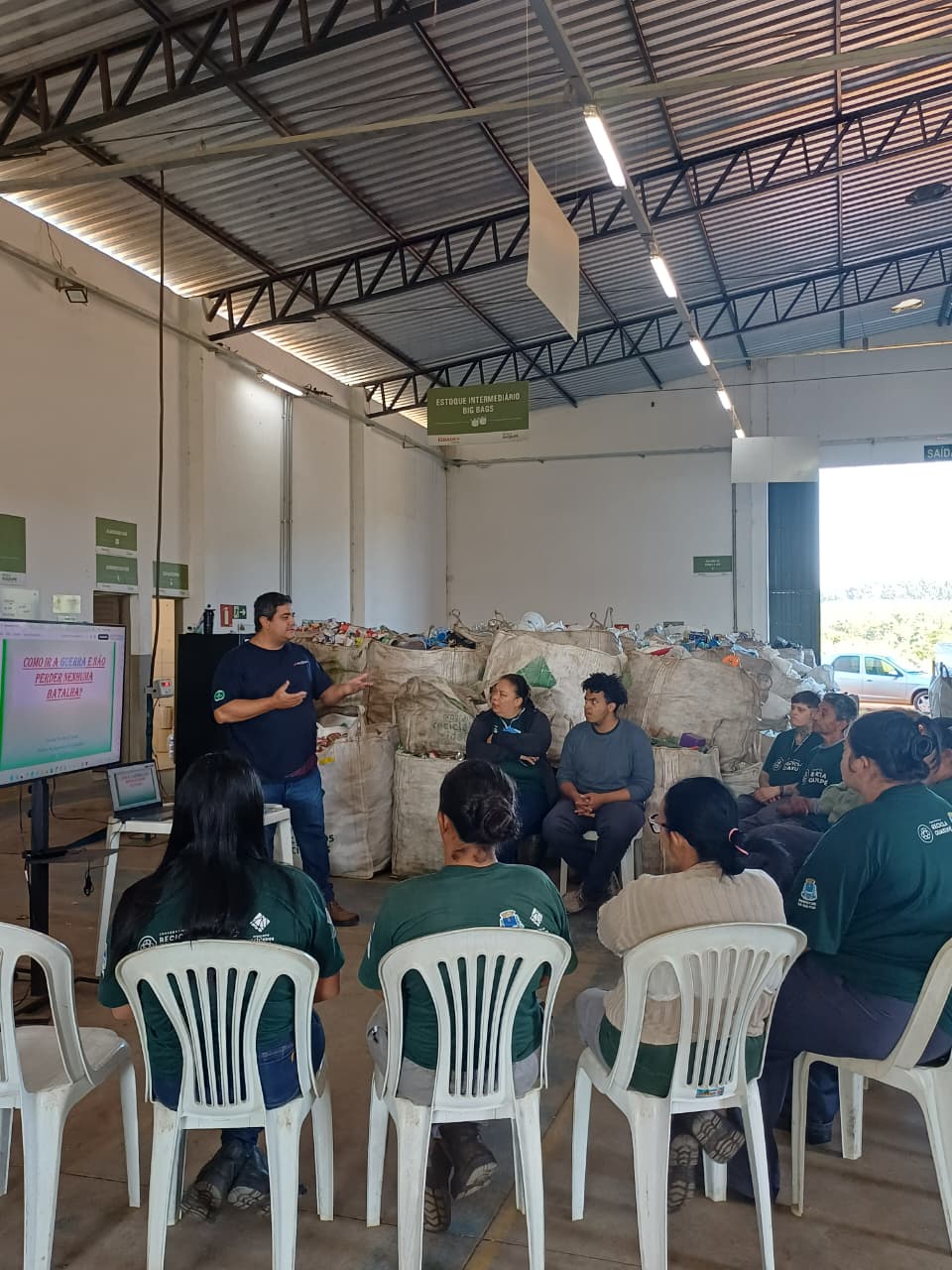
Partnership with Recycling Cooperative

Partnership with a recycling cooperative, including donation of recyclable waste, as well as social support through the provision of professionals for training.

09/12
ENGAGEMENT

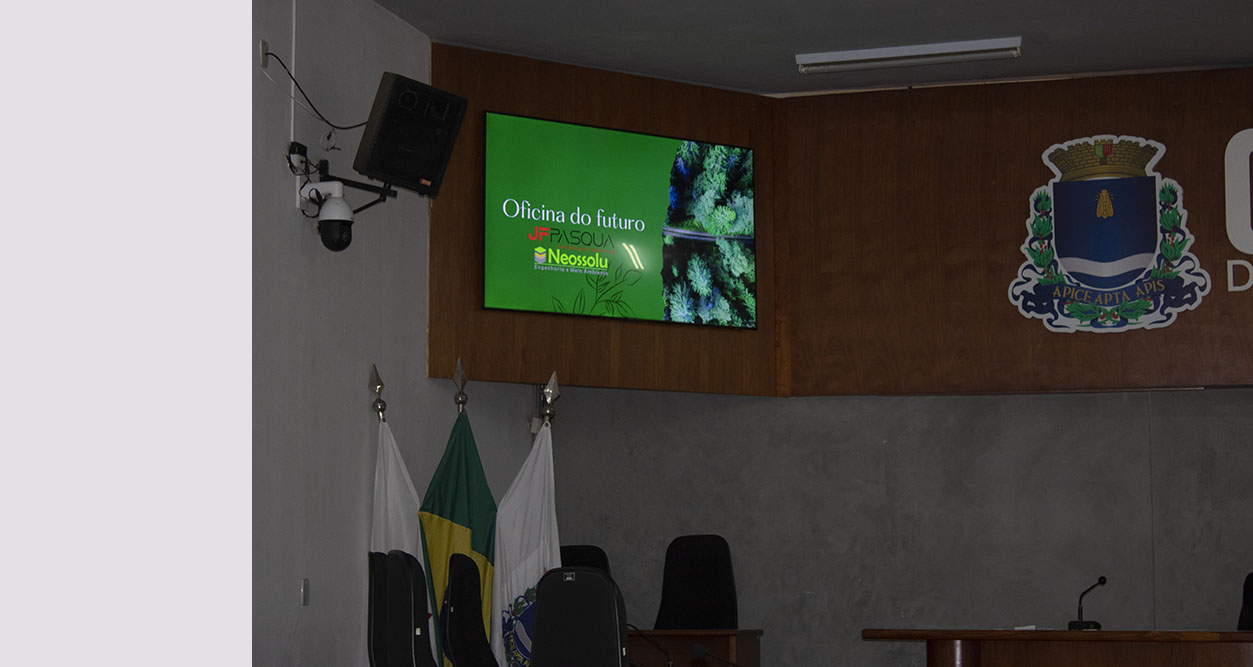
Participation in Environmental Forums

Active participation in environmental forums promoted by the Department of the Environment, contributing to discussions and environmental improvements in the municipality.

10/12
CERTIFICATIONS

ISO 14001 Certification

Recognition of JF Pasqua's commitment to environmental management, continuous improvement, and the adoption of sustainable practices in its processes.

11/12
SUSTAINABLE PARTNERSHIPS

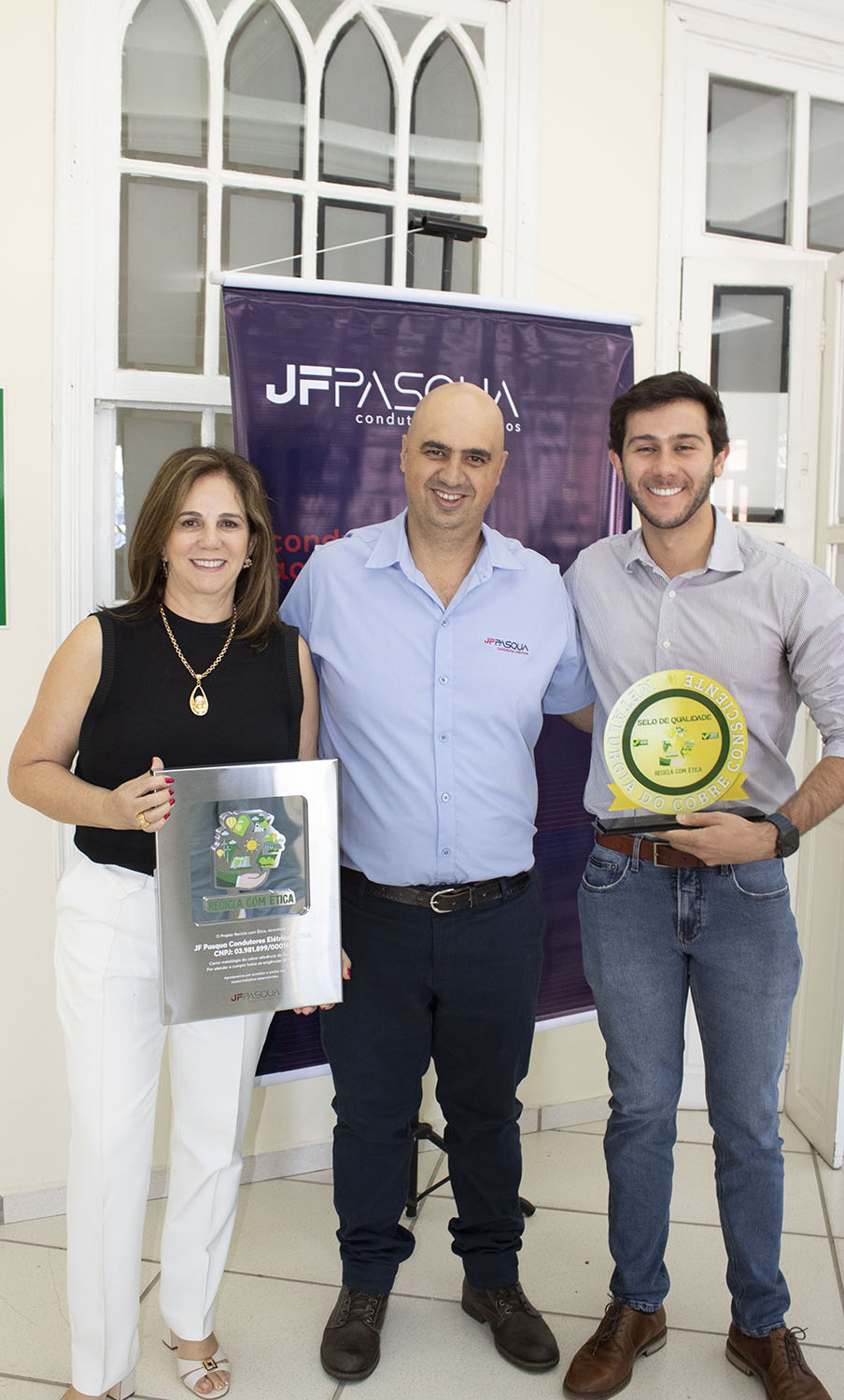
Partnership with Recicla com Ética

Partnership aimed at strengthening conscious recycling, promoting guidance, training, and responsible, ethical practices aligned with environmental standards.

12/12

What Is Verified by Third Parties

An environmental claim only counts when someone outside verifies it.

ISO 14001

Environmental Management System – Certified by ACT Cert, Certificate No. 2025-001GA-BR, valid until 08/01/2029.

Open document
Operating License

N° 3093, issued by SUPRAM Sul de Minas/FEAM, valid until 06/26/2033.

Open document